

Know-how for buying used cars.
Tax, calculation, the portals and private sellers – explained in brief for dealers who buy every day.
 Tax
Margin scheme for used cars in Germany (§ 25a UStG): what dealers need to know when buying
Dealers who buy used cars from private sellers pay VAT on the resale only on their margin – not on the full price. How the margin scheme works, where the traps are, and what it means for your buying price.
 Calculation
Calculating a used-car purchase: from market value to maximum buying price
With used cars, profit is made when you buy. If you know the realistic selling price and subtract every cost, you know before the call how much you can pay at most. A backwards calculation, step by step.
 Portals
Price rating on mobile.de and AutoScout24 explained: what “very good price” means for dealers
The price rating is the first signal many buyers look at in a listing – and a quick filter for dealers when buying. What is behind the bands, why a “very good price” need not be a bargain, and how to combine the rating with market value.
 Buying
Contacting private sellers as a car dealer: what is allowed and how to win the purchase
Cars from private sellers are often a dealer’s best buys – if the first contact is right. What is allowed when you call about a listing, where advertising begins, how to handle the data, and how to win sellers over instead of putting them off.
 Buying
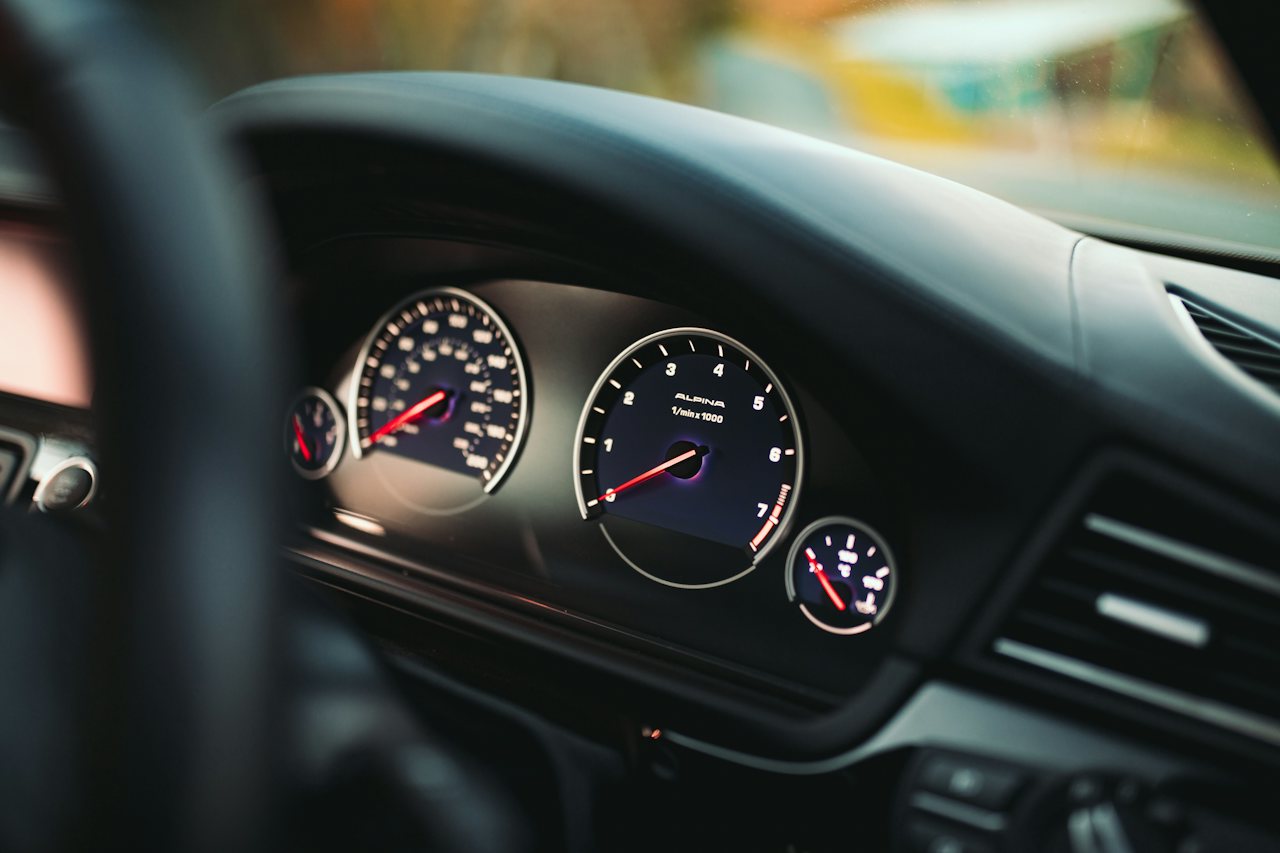
Checking a used car’s history before buying: VIN, papers, mileage and accidents
A cheap purchase becomes expensive if the car has a hidden accident, a clocked odometer or papers that don’t match. Which checks help you judge a used car’s history before buying – from the first call to the inspection.
 Buying
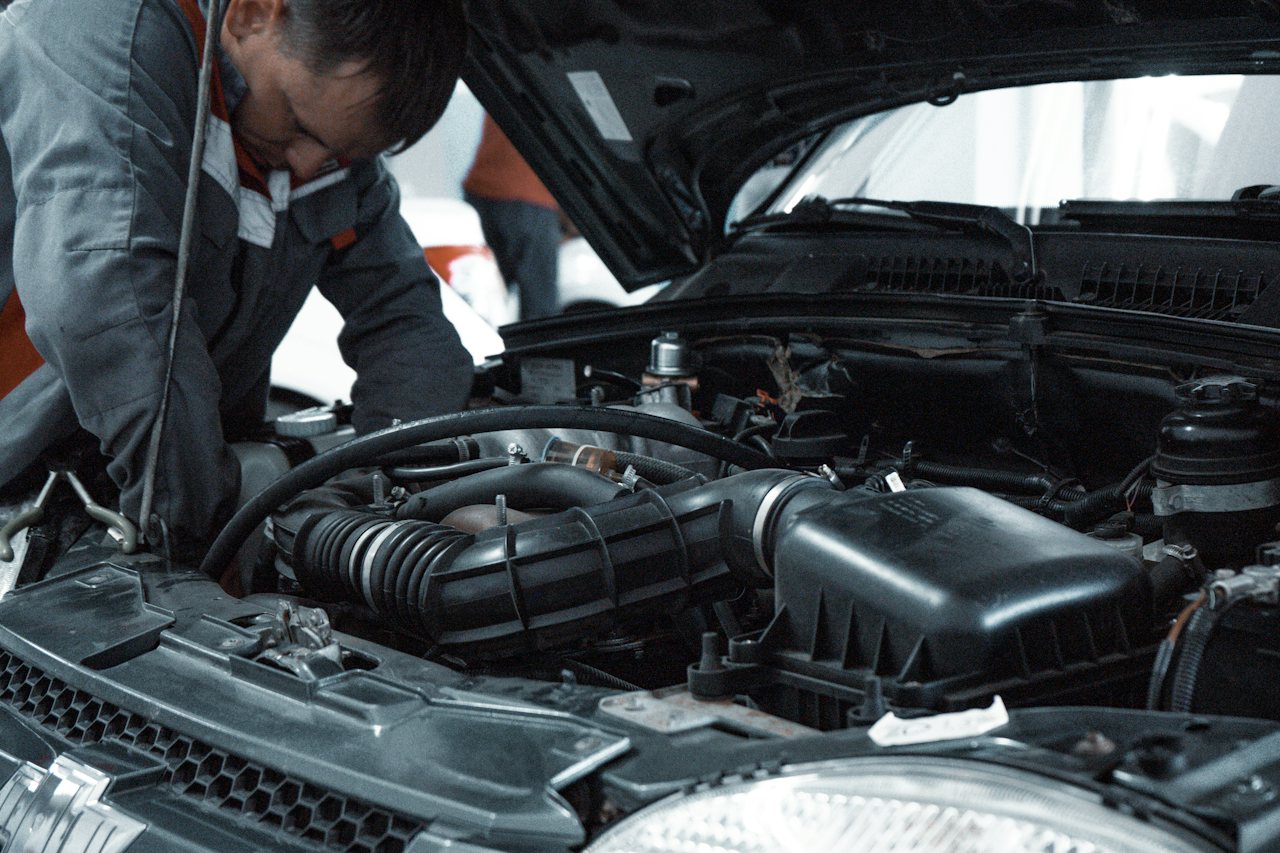
German roadworthiness test (HU/TÜV) when buying used cars: what the sticker tells a dealer
Whether the HU has two years left or is due next month quickly makes a few hundred euros’ difference when buying. How to spot the risk, price it in, and get cars with an expired HU to the test centre legally.
 Selling
Reducing days in stock for used cars: seven levers from buying to listing
Every day on the yard costs money – and the margin shrinks with each one. Time in stock is decided largely when you buy. Seven levers dealers use to turn cars faster.
 Transfer
Short-term plates, red dealer plates, export plates: how dealers move cars bought in Germany
The car is bought – now it has to reach your yard. Depending on condition, distance and destination there are four ways: red dealer plates, short-term plates, export plates or a transporter. What applies to each and what it costs.
 Import
ing a used car from Germany to Poland: a guide for dealers
Germany has Europe’s largest used-car supply. How Polish dealers find the right cars, buy them correctly for VAT, bring them home and register them in Poland – step by step.
 Import
ing a used car from Germany to the Czech Republic: a guide for dealers
Germany has Europe’s largest used-car supply. How Czech dealers find the right cars, buy them correctly for VAT, bring them home and register them in the Czech Republic – step by step.
 Import
ing a used car from Germany to the Netherlands: a guide for dealers
Germany has Europe’s largest used-car supply. How Dutch dealers find the right cars, buy them correctly for VAT, bring them home and register them in the Netherlands – step by step.
 Import
ing a used car from Germany to France: a guide for dealers
Germany has Europe’s largest used-car supply. How French dealers find the right cars, buy them correctly for VAT, bring them home and register them in France – step by step.
 Import
ing a used car from Germany to Italy: a guide for dealers
Germany has Europe’s largest used-car supply. How Italian dealers find the right cars, buy them correctly for VAT, bring them home and register them in Italy – step by step.
Every new listing. Before the others see it.
CarFalke watches mobile.de, AutoScout24 and Kleinanzeigen every minute and tells your buyers what matches their criteria – with price rating, buying potential and the seller’s phone number.